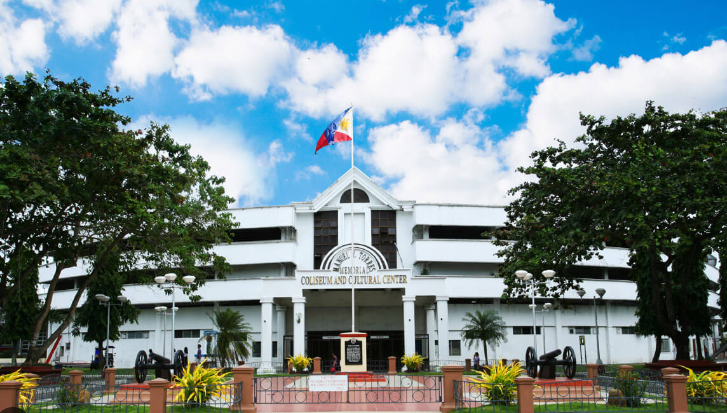
The Home of the Famous Babaylan Festival - Where Heritage Meets Progress
Discover the rich history, natural wonders, and warm hospitality of Negros Occidental's heritage city
A first-class component city known for its historical significance, agricultural heritage, and vibrant festivals
Bago City, a first-class component city in Negros Occidental, is a city that proudly preserves its historical legacy while embracing modern development. Known as the "Home of the Babaylan Festival," it celebrates the rich cultural heritage of the Babaylan, the indigenous spiritual leaders of pre-colonial Philippines.
Located south of Bacolod City, Bago is famous for its agricultural products, particularly sugar cane, and its significant role in Philippine history. The city boasts historical landmarks, natural attractions, and a thriving agricultural economy.
Journey through Bago's rich history and cultural heritage
Bago was originally settled by the Malayan descendants called "Tumandok" who established communities along the Bago River.
Spanish explorers led by Miguel Lopez de Legazpi arrived in the area and established early Spanish influence.
Bago was officially established as a municipality on February 19, 1890, during the Spanish colonial period.
General Juan Araneta declared the Republic of Negros in Bago City on November 5, 1898, during the Philippine Revolution.
Bago was converted into a city under Republic Act No. 4582, signed by President Ferdinand Marcos.
Today, Bago is a thriving component city known for its agricultural production, historical significance, and vibrant cultural festivals.
Discover the different facets that make Bago City unique and memorable
Explore Bago City's rich cultural heritage through these significant locations
Loading local delicacies...
Loading Bago City festivals...
Loading Bago City experiences...